Accords mets-vins
Food and wine pairing, by balance
Acidity, fat, weight and regional affinity guide most pairings more reliably than rigid rules. Here we set out the principles and seasonal tables that make a French bottle and a home-cooked meal work together.
Structural balance
Three principles to start with
Each principle describes a sensation you can check at the table, not a fixed rule.
Balance acidity
Acidity refreshes the palate and cuts through richness. A bright, high-acid wine tends to suit creamy, fried or fatty dishes, while a rounder, lower-acid wine can sit more comfortably beside lighter foods.
Manage tannin with protein
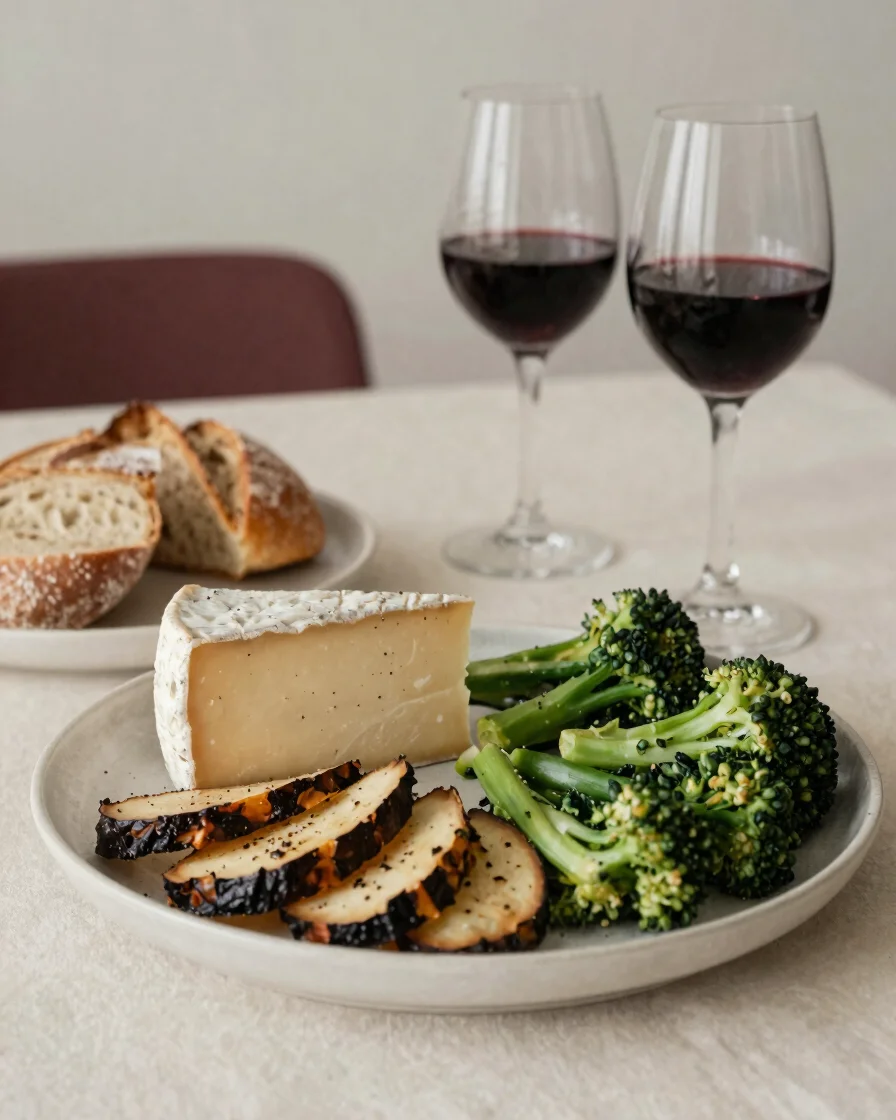
Firm tannins can feel harsh with lean dishes. Protein and fat soften that grip, which is why red wines from structured regions often pair with roasted meats and aged cheeses.
Match sweetness and weight
A wine should never taste thinner than the food it accompanies. Match sweetness to dessert or sweet-savoury dishes, and keep body and weight roughly in step with the main component of the plate.
Seasonal tables
Everyday pairings through the year
In spring, a crisp white with fresh goat cheese and herbs reflects green produce. In summer, a chilled rosé suits tomatoes and grilled vegetables. In autumn, a medium-bodied red complements roasted root vegetables and mushrooms, while winter stews and aged cheeses call for fuller, more structured bottles.
These are starting points rather than fixed prescriptions. Taste both the food and the wine, then adjust toward what balances best on your own table.